Recently, on the 10 year anniversary of selling my car, I had the honor of being interviewed by Het is Koers on my experience with bike commuting, bike touring, and carfree living in the US. The website doesn’t appear to translate to English in most browsers, so I’ve included the English translation below.
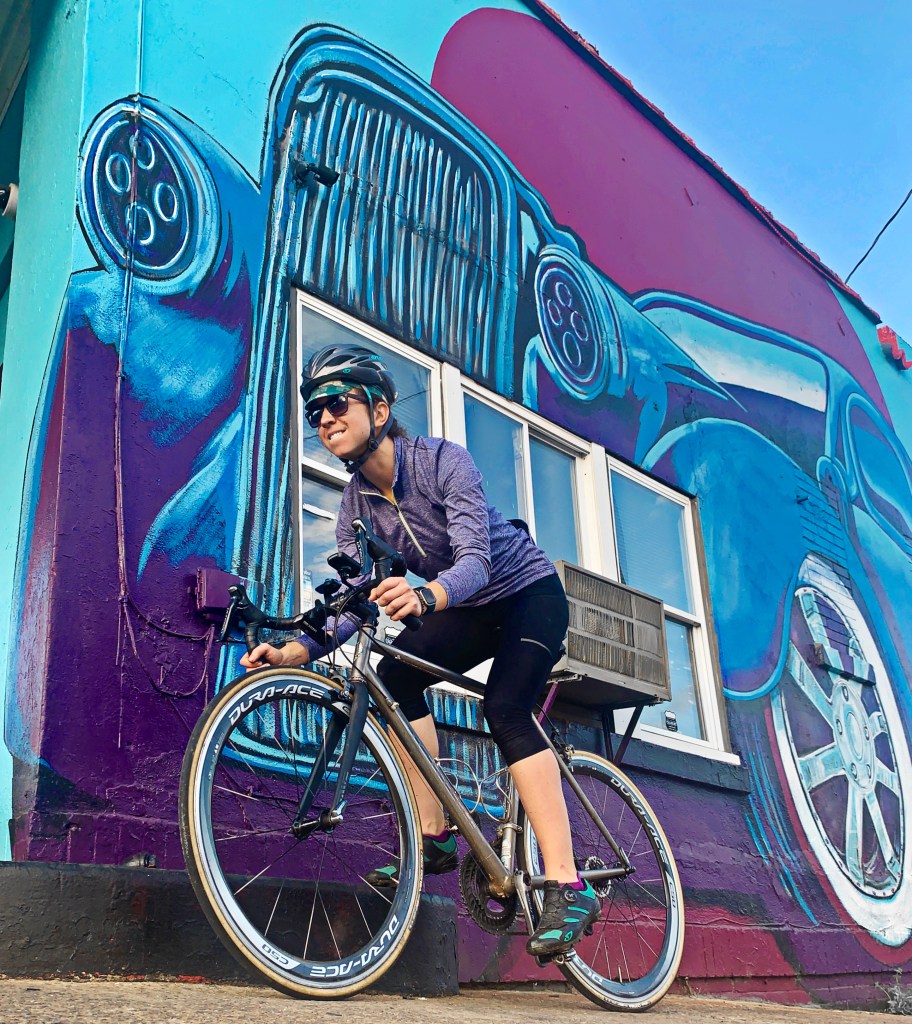
Rebel with a cause
Is it an act of rebellion to live without a car? Perhaps not necessarily in the Low Countries, but certainly in the United States. Where the automobile is still a lot more self-evident than in Europe and where the infrastructure is only limitedly equipped for more active forms of mobility. Mary McGowan denounces this self-evidence. She does this on social media, under the evocative name Rebel Without A Car. Like a modern James Dean – but a rebel with a cause – McGowan questions mobility in her hometown of Greenville, South Carolina and encourages good and safe bicycle routes. A form of healthy rebellion that is needed now more than ever.
By: Niels Steeghs
24 Mar 2025
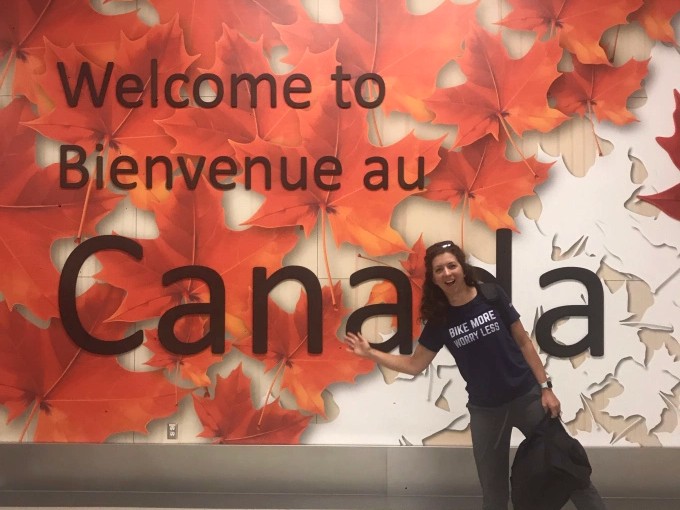
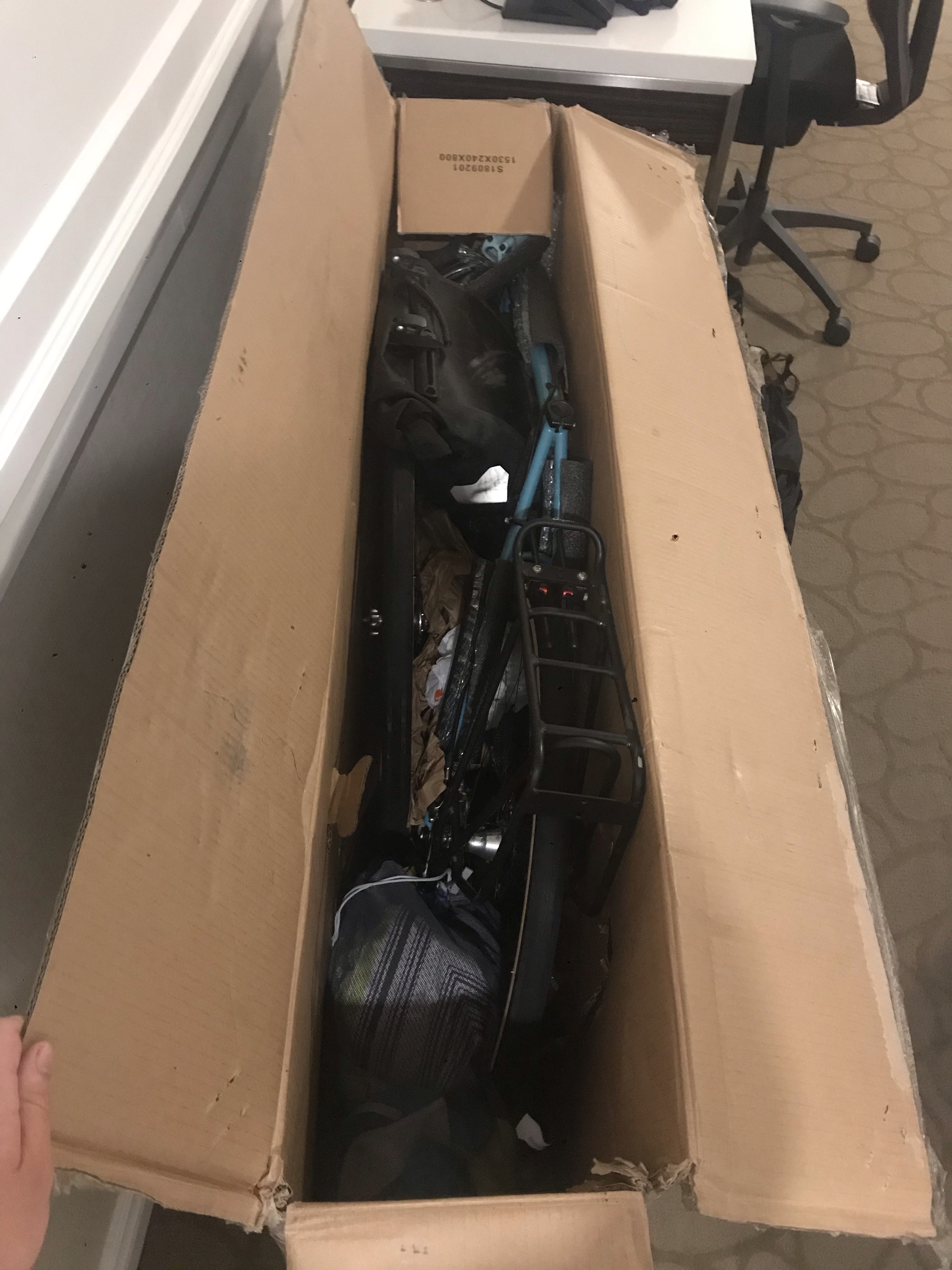
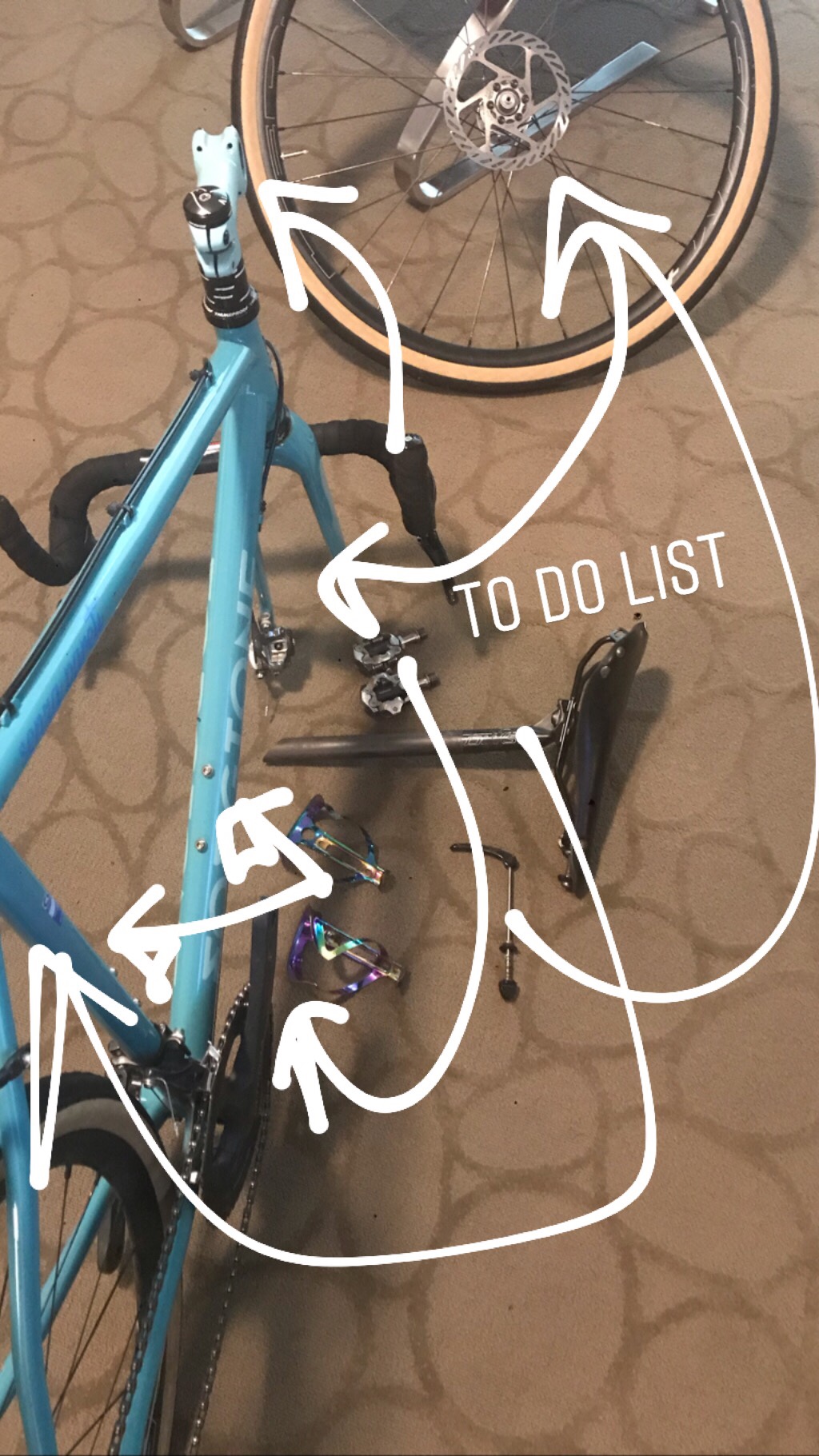
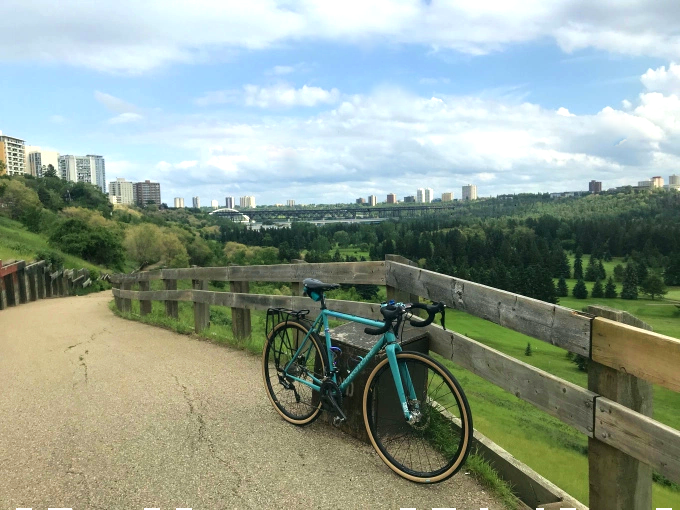
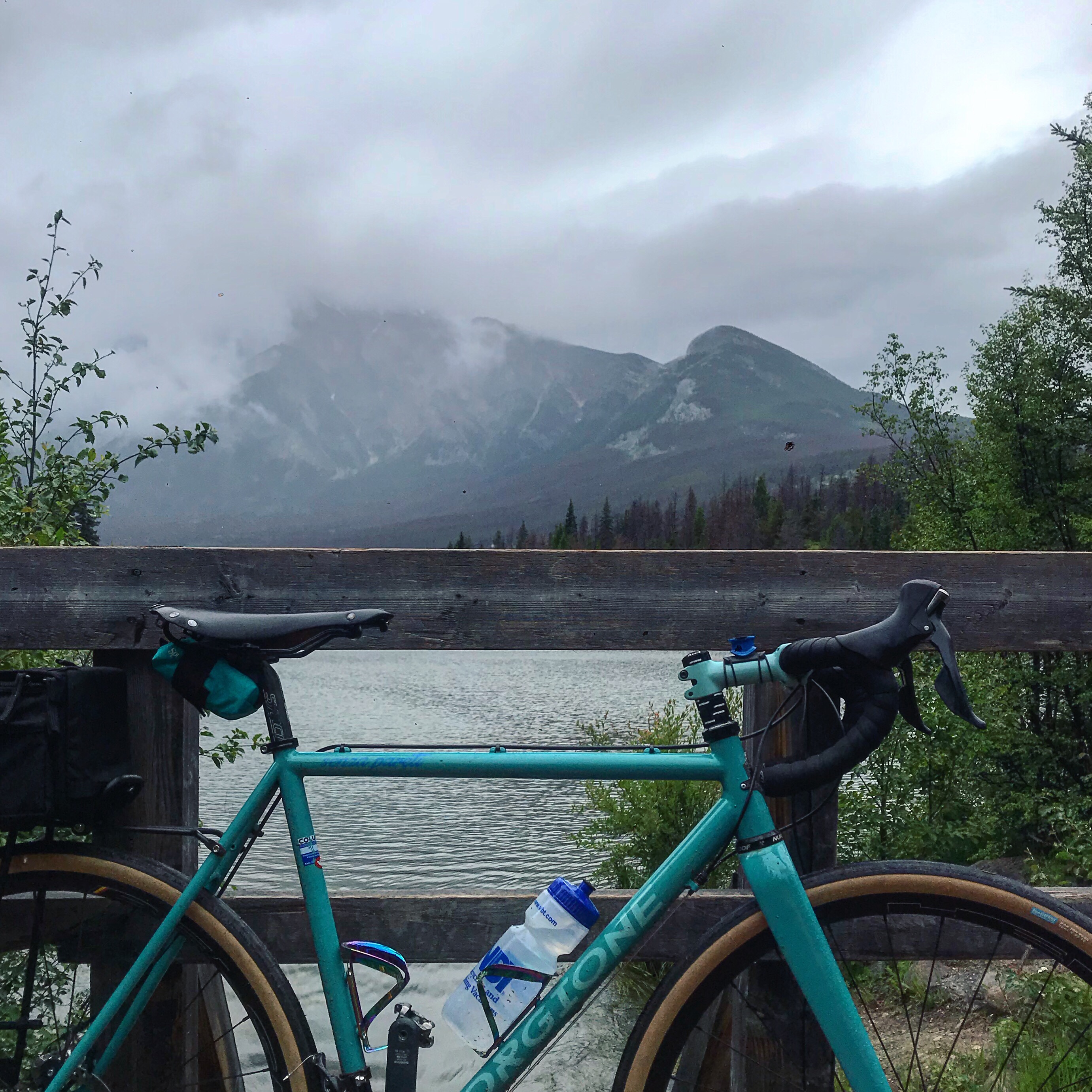
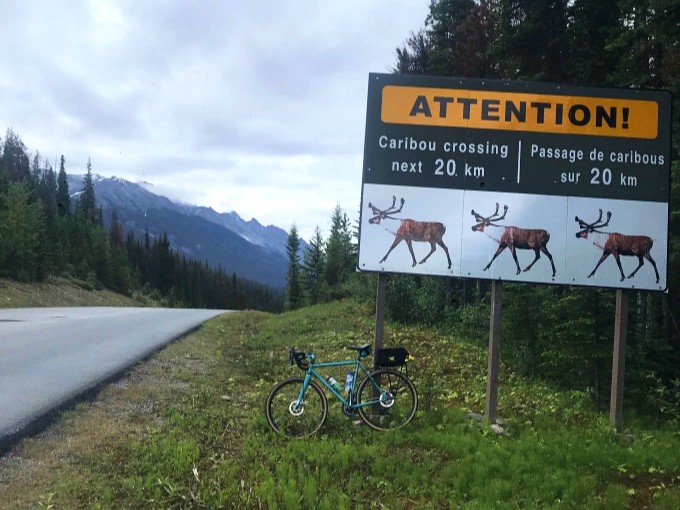
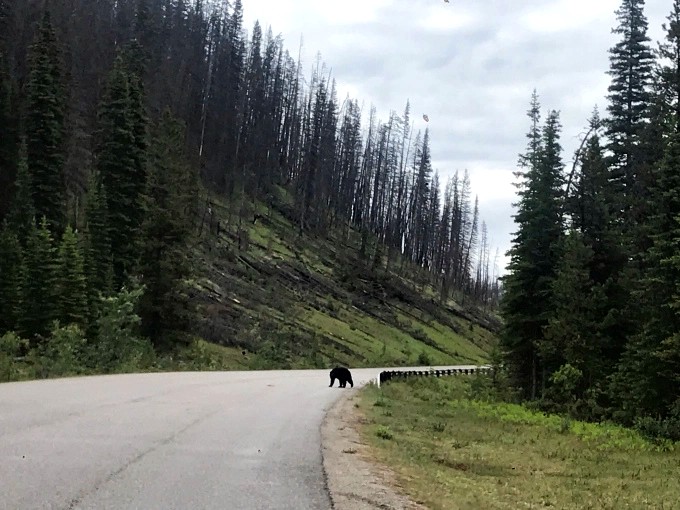
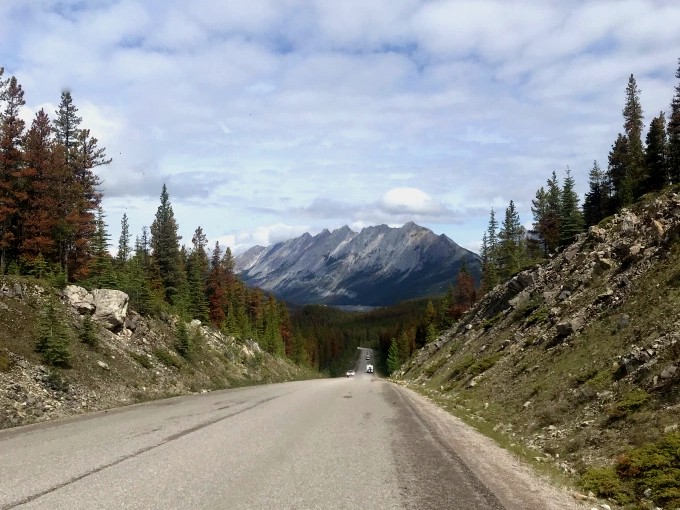
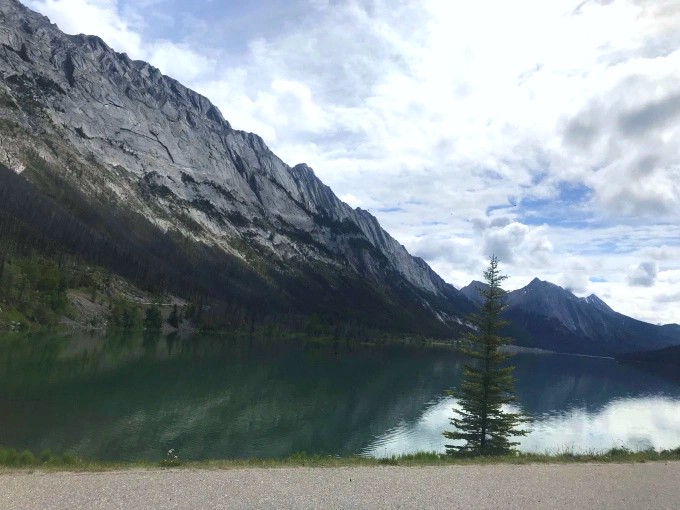
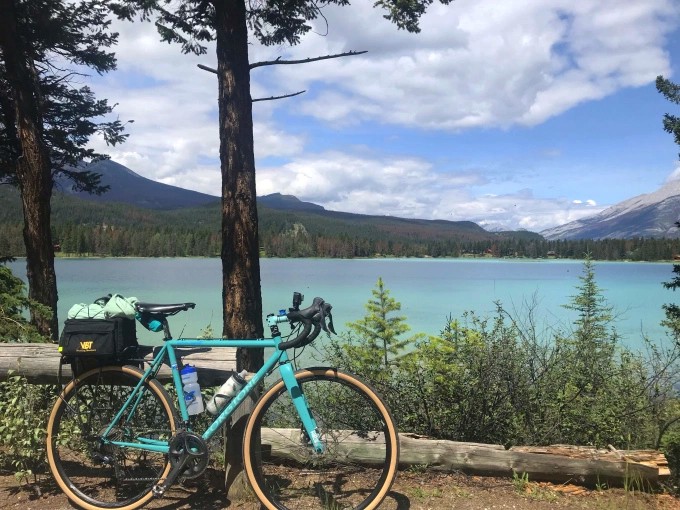
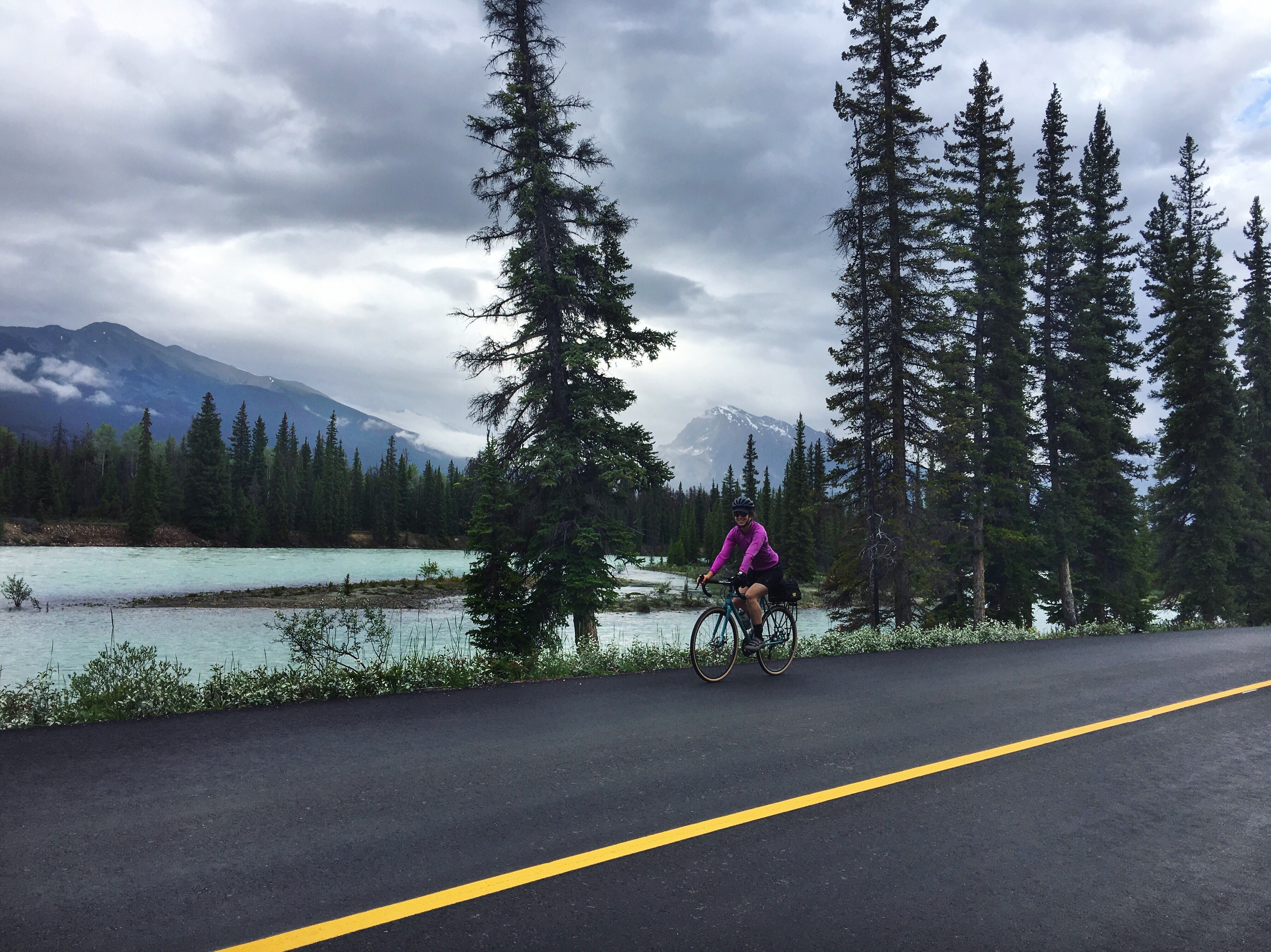
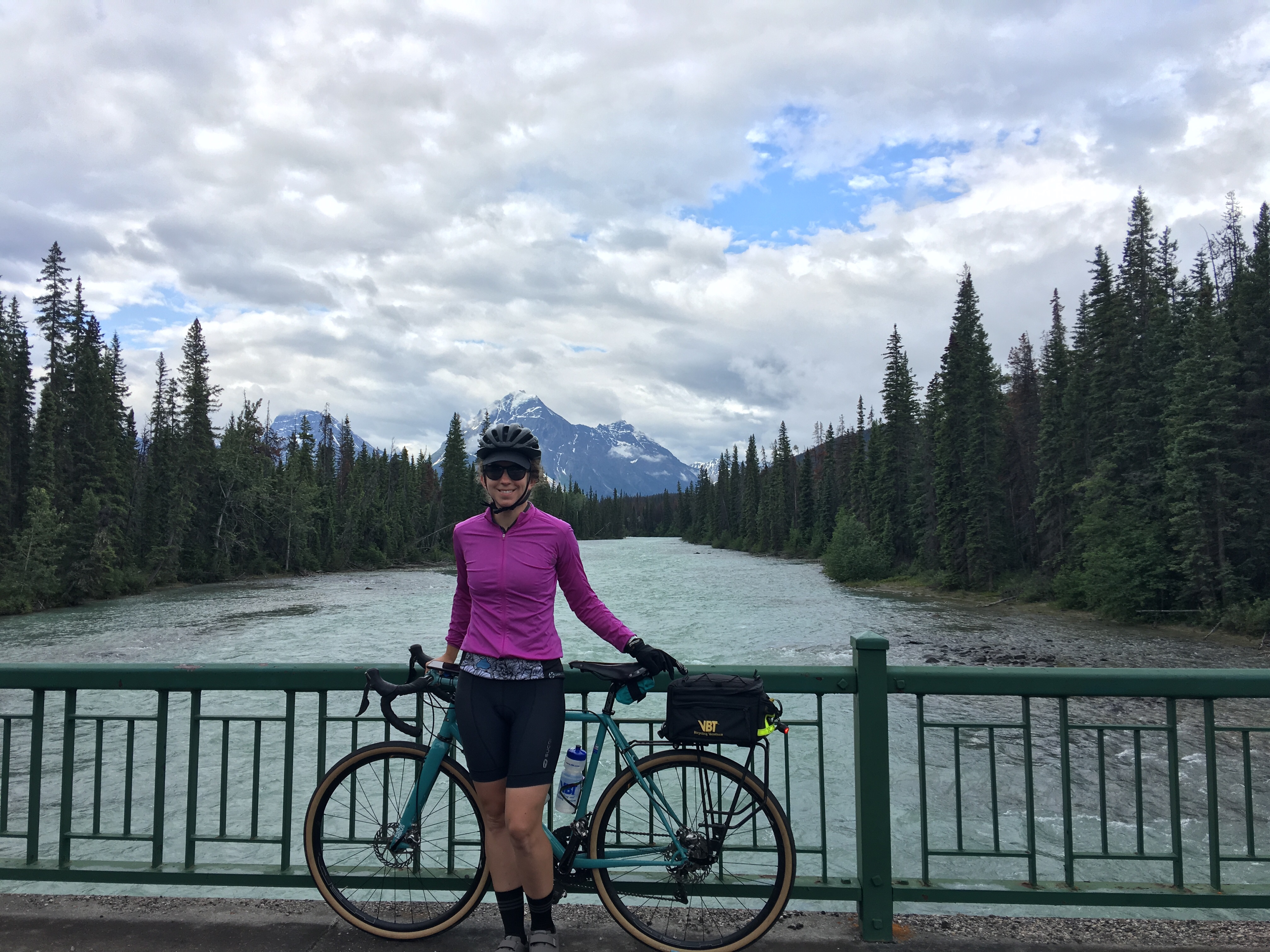
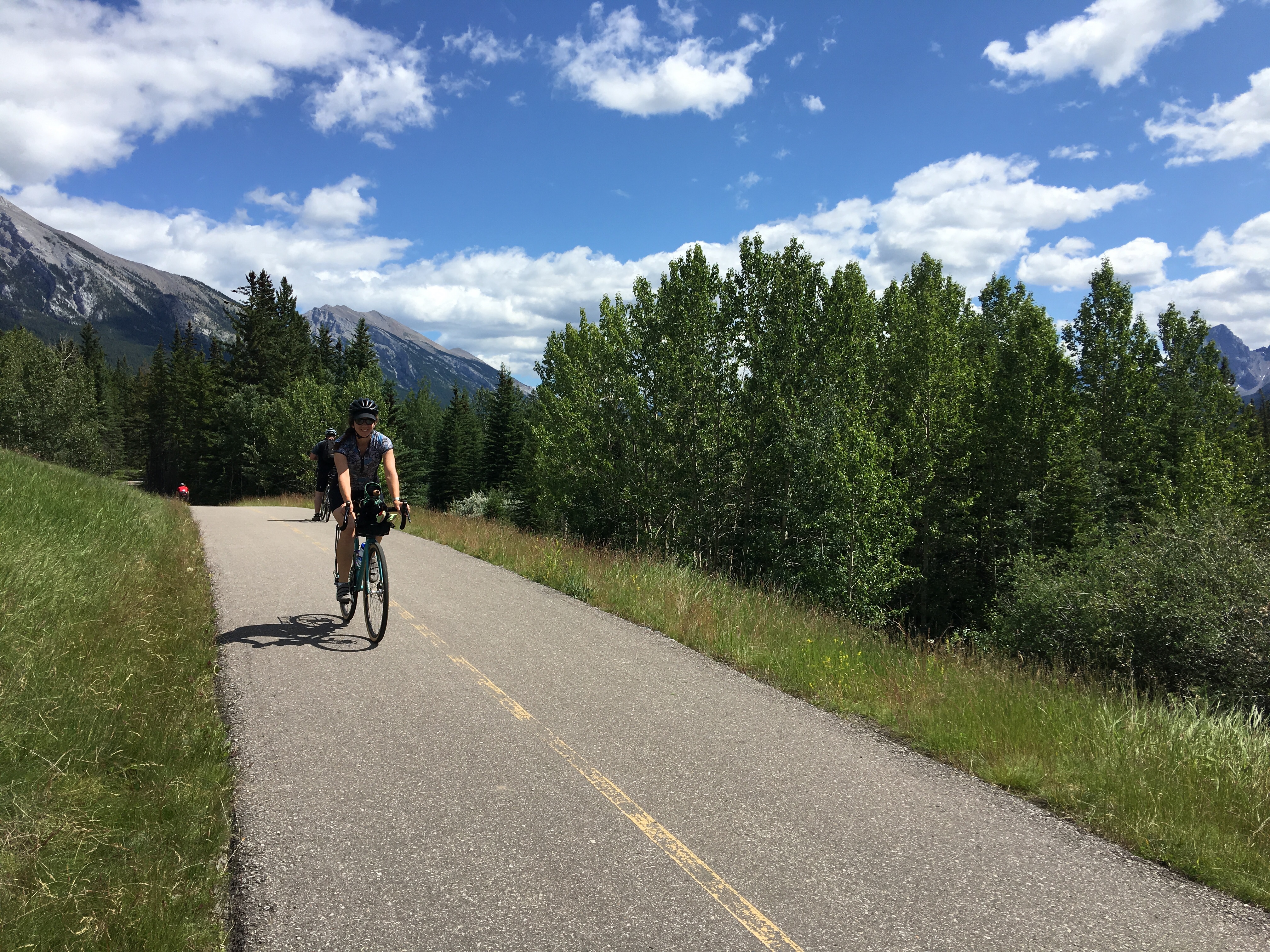
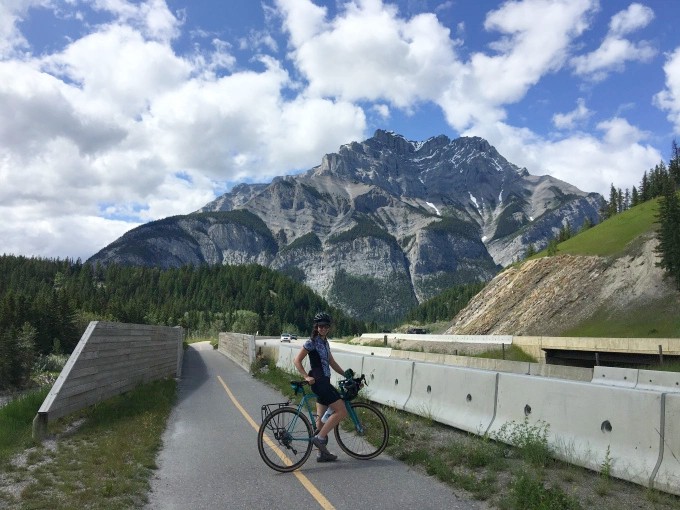
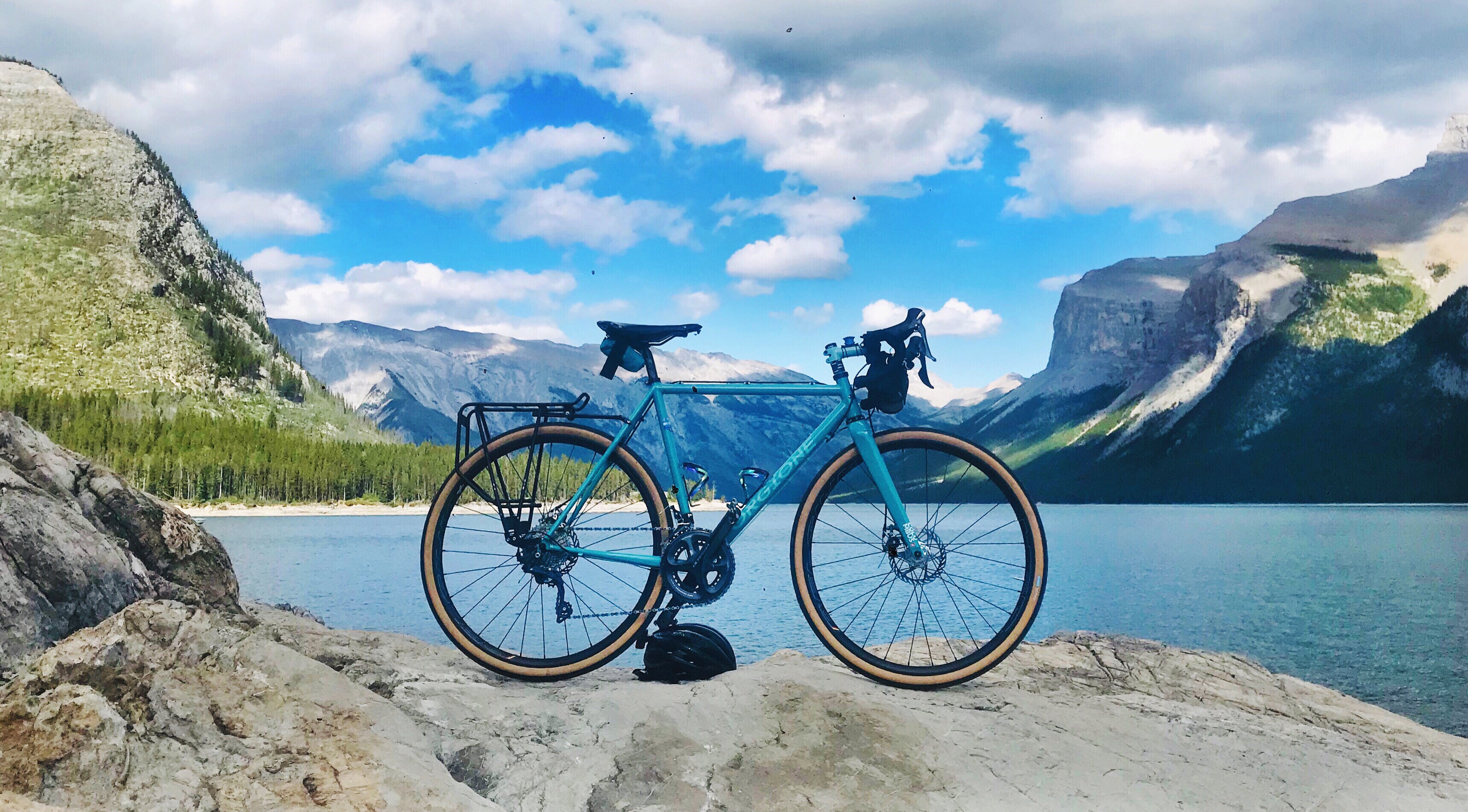
Are there any new things? And a very Dutch-looking Gazelle women’s bike. McGowan works as a speech therapist at a school and has an arsenal of other bikes in addition to the Gazelle. She goes out as often as possible to bikepack, both at home and abroad. She reports on these trips, including the beautiful aspects and the challenges she encounters. Like her recent trip, a series of dysfunctional bridges and challenging roads. But also the encounters with enthusiastic fellow fighters and the beautiful B-routes through the American hinterland. One of her role models is also a good companion on the bike: “A band I like to listen to while cycling is Blind Pilot. They did their first tour on bicycles in California. Just imagine that!”
It has now been ten years since you finally exchanged your car for a bicycle. What has it brought you and what challenges did you encounter? “Honestly, it was both terrifying and liberating. Everyone warned me that I would definitely need a car, because what do you do in an emergency, for example? But the moment I got home from the dealership, without a car, it felt like 1,000 pounds had been lifted off my shoulders. Besides the rent, it was my biggest financial burden and I had already reduced my usage so much that I was driving mainly to keep the engine running. It turns out that the car needs to be driven regularly to keep the battery charged. Of course, I forgot about that and now the car is just sitting dead in my driveway. It’s a funny reminder of how I felt about my last car 10 years ago!” “One of the biggest challenges has been seeing how car ownership is taken for granted. Some of it is funny, like when I cycled to a drive-through testing site during COVID and had to awkwardly explain why I was there on my two-wheeler. Or frustrating, like when I try to get something from a pharmacy or drive-through restaurant and get turned away because I’m not in a car. So much of our infrastructure here was built without people like me in mind. Millions of Americans have no other option, and they are completely left out of decision-making because policymakers—drivers themselves—comfortably assume that everyone has access to a car.”
“I volunteer a lot with Bike Walk Greenville, a local advocacy organization that advocates for safer, more connected cycling and walking infrastructure. What I’ve discovered through this work is that so many people want to drive less but feel like they don’t have a choice. Younger generations in particular are embracing urban ideas, and it’s exciting to see those ideas become more mainstream.”
“Greenville has certainly made some progress, but we have a long way to go. Over the past few years, we brought in volunteer data analysts to map where infrastructure is needed most, especially for those with the least resources. That was a huge step forward in getting the attention of local leaders and securing funding. Right now, our bike infrastructure is pretty limited, and expanding the trail network will take years to realize. That’s why mapping where people are actually walking and biking is so important. Many drivers don’t even realize the alternatives, the biking potential that exists, or that many trips aren’t actually that much longer by bike when you factor in traffic and parking. Older neighborhoods often have better connections, newer neighborhoods are full of dead-end streets that force everyone onto busy roads. “We’re pushing for policy changes so we don’t keep repeating the same mistakes, but car-centric development is often still the default option.”
What’s the story behind your very Dutch-looking Gazelle bike?
“My Gazelle was given to me by a local entrepreneur who decided to retire and close his e-bike shop a few years ago. After seven years of riding a traditional bike everywhere, switching to an e-bike is a nice upgrade for hauling groceries and commuting. I love the vintage Dutch style, and I wish we saw more bikes like this in the US. Most e-bikes here are designed to look super modern and sporty, but I prefer the classic European bike aesthetic.”
“I fell in love with urban biking when I was studying in Vienna. I bought a used bike in the spring of 2010 and it was truly transformative. I’ve traveled to many places in Europe but haven’t been to the Netherlands yet, partly because I’m afraid I’d never want to leave! I believe in working to make my own community better instead of just moving somewhere that already has great infrastructure. Here I can work to create change so that people who don’t have the privilege of just moving to a better place can benefit too. It’s been encouraging to see that a lot of local conversations have shifted in the 10 years I’ve lived in this city, we’re open to experimenting with new ideas. There are many other people here working to make housing affordable, improve our education system, and reduce pollution – and I feel like access to affordable, healthy transportation is so important to the work others are doing here.”
How do you see the future of active mobility in America, given the current situation? “To be honest, it’s a very dark time for our country. Far too many people still don’t understand the dangerous position we’re in right now. In addition to the usual political stuff being thrown around, safe street projects and policies that we’ve fought for over the last few years are being attacked and politicized like never before. I honestly hope that we can get through the next four years and come out of it with the life, health and well-being of people prioritized, with leadership that really cares about making things better for everyone. I realize that’s a bleak outlook, but I have no problem being honest about where we’re at. I studied political science and history in college, so witnessing current events right now feels really surreal. But I think it’s really important not to normalize what’s happening here, because we’ve apparently learned nothing from a century ago.”

 rebelwithoutacar